Daily Journalling Habits for Beginners
What Journaling Actually Does to the Brain and Body. In the 1980s, James Pennebaker gave university students a simple assignment …

What Journaling Actually Does to the Brain and Body
In the 1980s, James Pennebaker gave university students a simple assignment: write about something emotionally difficult for 15 to 20 minutes across three to four days. The results were strange enough that researchers spent the next two decades trying to explain them. Participants visited the campus health center less frequently in the months that followed. Their immune markers improved. Their anxiety dropped. From a methodological standpoint, the findings were harder to dismiss than they had any right to be.
The mechanism, once you sit with it, is less mysterious than the results suggest. Expressive writing recruits the prefrontal cortex, the region responsible for narrative construction and stress regulation, to impose structure on material that would otherwise circulate unresolved. You are not emptying your feelings onto a page. You are giving the brain's editor something to actually work on. Suppressing difficult experiences, Pennebaker found, is physiologically costly. The journal removes that cost. It is, when you strip away the self-help packaging, closer to cognitive maintenance than self-expression.
The most counterintuitive finding involves wound healing. Adults between 64 and 97 who wrote about upsetting experiences healed measurably faster than those who wrote about neutral topics: 76% of the expressive writing group showed complete healing by day eleven, compared to 42% of controls; published in Psychosomatic Medicine in 2013. The body takes its cues from what the mind does with unresolved material, which is either fascinating or unsettling depending on how much you enjoy having your assumptions rearranged.
But here is the qualification that changes everything that follows: not all journaling produces these effects. Venting produces different results than processing. Rumination dressed up as reflection is still rumination. Format, structure, and intention determine whether the writing does something useful or just fills pages.
How to Choose a Format That Actually Matches What You Need
Most beginners choose a journaling format the way they choose a gym membership: based on what appears impressively rigorous rather than what they will actually show up for. This is a reliable path to abandonment, and I say that having made the same mistake myself with a very beautiful, very neglected notebook.
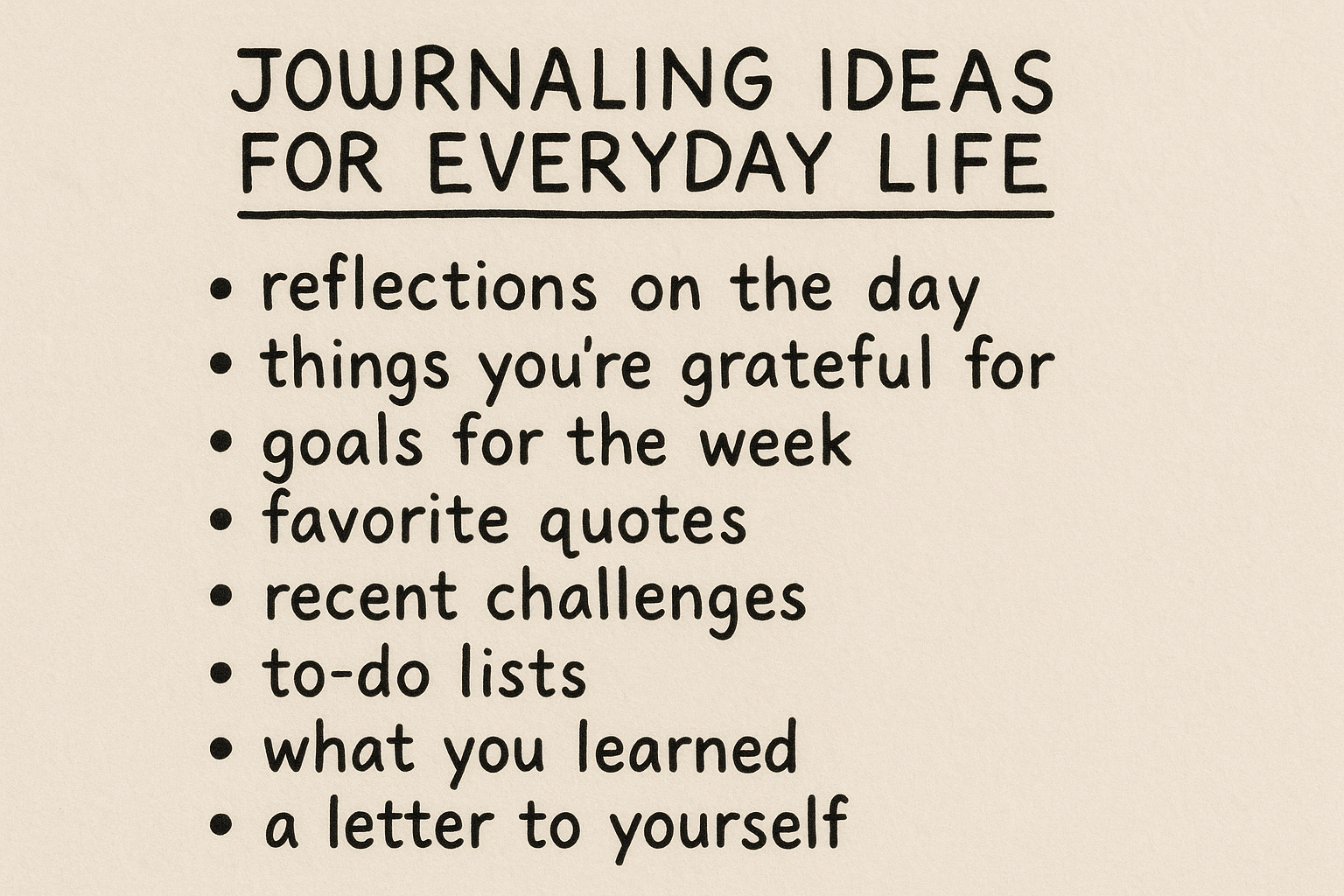
Gratitude journaling, at its most stripped-down, is three to five items per day and takes roughly three to five minutes. Robert Emmons' 2003 research found consistent gratitude practice improved well-being by around 25%. It is not Pennebaker-level emotional excavation, and it was never meant to be. For someone trying to interrupt a negativity spiral or build the consistency muscle before adding complexity, it is the lowest-friction entry point available.
Prompt-based journaling solves a different problem: the blank page. For people who sit down with genuine intention and then spend ten minutes staring at nothing, a specific question eliminates the decision before it metastasizes into avoidance. The prompt does not constrain the writing so much as it gives the engine something to catch on.
Expressive writing, Pennebaker's original protocol, is 15 to 20 minutes of unfiltered writing about emotionally significant material. It carries the strongest evidence base for mental health outcomes, and it is also the most demanding format available. It is the right tool when you are carrying something specific and heavy; it is a poor starting point for someone who wants to feel marginally less scattered before 9 a.m.
Morning Pages, Julia Cameron's three-longhand-pages-per-day protocol, is worth naming primarily to clarify what it is not: a reflection practice. It is a creative and cognitive clearing tool, useful for writers trying to dislodge whatever accumulated overnight. If insight is the goal, Morning Pages produces volume rather than depth. Both have their uses; they are not the same use.
Bullet journaling, Ryder Carroll's structured hybrid of planner and reflective diary, runs 10 to 30 minutes and works well when organization matters as much as self-knowledge. It is, functionally, a different product.
For beginners, the honest recommendation is one line or five minutes: not because it is the most powerful option, but because it is the one most people can keep without lying to themselves about their schedules. The research benefits are also format-specific. Gratitude writing and expressive writing operate through different mechanisms and produce different outcomes. Treating them as interchangeable is like treating ibuprofen and antihistamines as interchangeable because both live in the medicine cabinet.
When and Where to Journal So the Habit Has Something to Attach To
A journaling habit with no structural anchor in the day is not really a habit. It is an intention. And intentions, as anyone who has maintained a running list of them can attest, have a poor conversion rate.
Morning journaling, before the day has introduced its complications, works better for intention-setting and creative thinking. Evening journaling is better for processing what actually happened. Both work. Morning produces higher consistency for most beginners, and the reason is less sophisticated than it sounds: the day has not yet intervened.
That raises an important question, though. If timing matters less than consistency, what actually determines whether the habit sticks? The more consequential variable is habit stacking: attaching journaling to something already automatic. A 2025 study in the Journal of Applied Psychology found a 64% higher success rate with stacked habits compared to standalone ones. Coffee is the most natural pairing for morning journalers; post-dinner tea works for others. A behavior tethered to something that already happens requires only one decision, made once, rather than a daily negotiation with yourself about whether tonight is really the right night.
The physical environment also deserves consideration. A consistent location, with the journal already out and open, reduces the activation energy required to begin. Friction is the enemy in the early weeks, before the habit is self-sustaining enough to survive inconvenience.
Research places average habit formation at around 66 days, with significant individual variation. Week three is reliably difficult. That difficulty is a signal that the practice is on schedule, not failing.
How Long Each Session Needs to Be, and How Little Is Actually Enough
Pennebaker's foundational results came from 15-to-20-minute sessions, and that number has since calcified into the cultural default. It is a reasonable target. It is not a floor.
Consistency across days outperforms duration within sessions. One to five minutes of daily writing produces more measurable benefit than a 30-minute session conducted once a week. That is not an invitation to be lazy about it; it is an argument for choosing a commitment you will actually keep over one that sounds more rigorous but collapses under an ordinary Tuesday.
On difficult days, the minimum viable entry is whatever keeps the practice technically alive: one sentence, one gratitude item, one line. The purpose is not literary production. It is preventing the habit from categorizing a hard day as an ending.
Why exactly does the ambition trap claim so many promising practices? Because committing to 30 minutes a day in week one produces beautiful journal entries for about four days, then an unavoidable morning when the 30 minutes simply do not exist, then guilt, then silence. A missed long session feels like categorical failure in a way a missed short one does not. Starting with a commitment you cannot fail at, then extending it naturally as the resistance decreases, is the actual strategy — and most people discover it only after abandoning their first journal entirely.
Paper or Digital: What the Research Says, and What Matters More
A Princeton and UCLA study on handwriting versus typing launched a wave of journaling-by-hand evangelism that has proven remarkably tenacious. The argument was that handwriting, by slowing the writer down, improved conceptual processing. A 2019 replication by Morehead, Dunlosky, and Rawson produced nonsignificant results. The neurological case for paper is less settled than its more ardent proponents suggest.
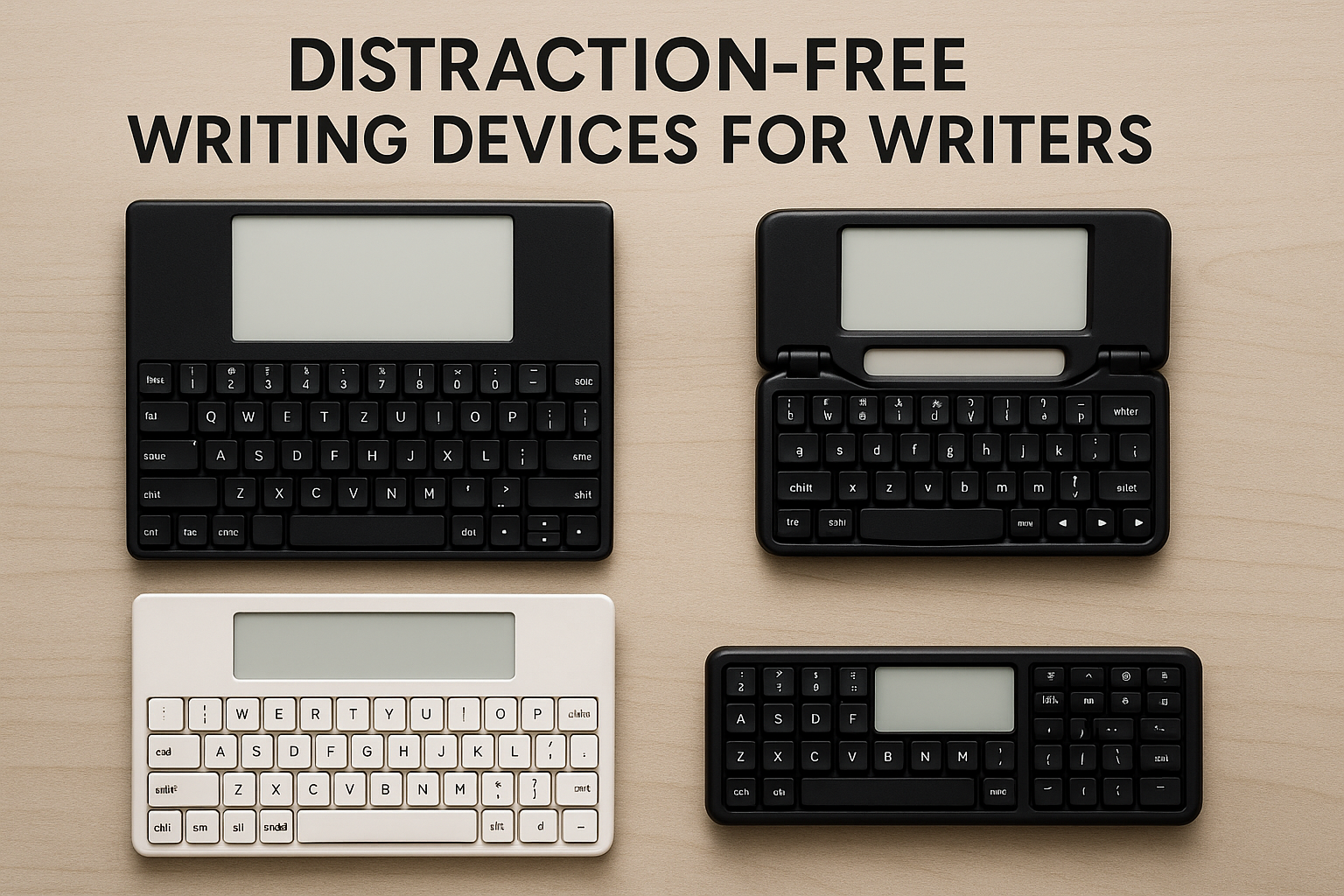
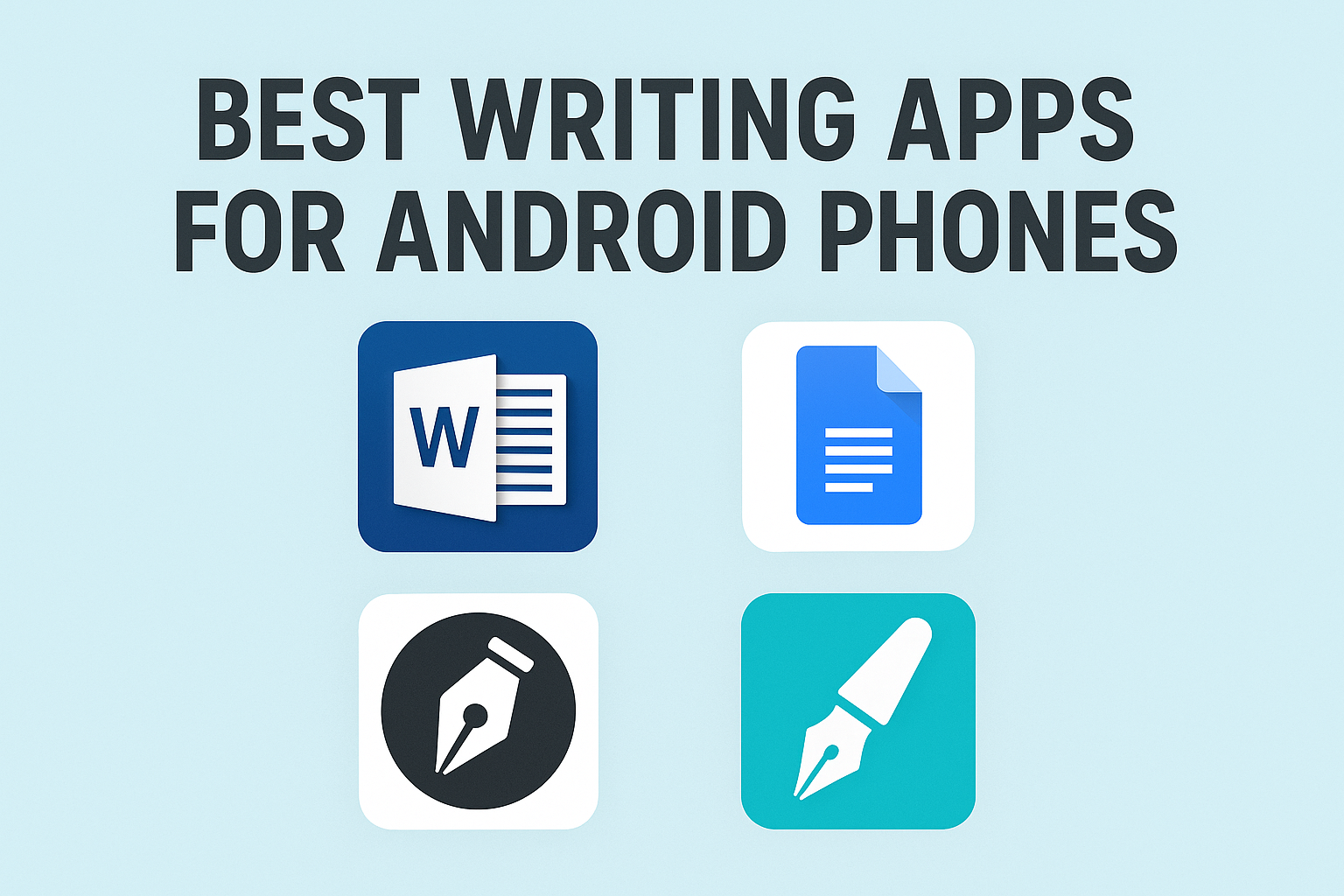
What digital does better is concrete: searchability, encryption, cloud backup, push notifications. Journaling apps that send reminders show measurably higher consistency rates in available data. And yet, 68% of adults abandon those apps within the first month. It is worth pausing on that number. Does a consistency boost over a base of near-zero move the needle in any meaningful way?
What paper does better is also concrete: no login screen at 6 a.m., no notifications from other apps bleeding into the session, a writing pace that naturally slows toward something more deliberate.
Most people I know who built a durable journaling practice use both, digital for quick daily entries and paper for slower or more deliberate work, and neither of them spent much time optimizing the choice. The best journal is the one that is open in front of you; three weeks of comparing notebook brands is three weeks of not journaling, which is a trade-off the notebook manufacturers are very comfortable with.
The Specific Habits That Cause Most Beginners to Quit, and What to Do Instead
The failure modes are consistent enough across people that cataloguing them starts to feel like taking attendance.
Perfectionism is the most common. The impulse to keep entries neat, coherent, or worthy of an imaginary reader creates performance pressure that eventually makes starting feel like too much work. The journal is a thinking tool. A thinking tool covered in crossed-out lines and unfinished thoughts is functioning correctly. It is doing its job. The pristine one is not.
Venting without reflection is subtler and, in some ways, more insidious. Writing about frustrations without moving toward any kind of inquiry deepens rumination rather than processing it. The fix is simple enough to feel anticlimactic: close each entry with one forward-facing question. "What would I do differently?" or "Why did that actually bother me?" changes the cognitive direction of the entire session. One question. That is the intervention.
The highlight reel trap involves writing only safe, pleasant, or flattering entries, which sidesteps the emotional honesty that produces most of the measurable benefit. Research on private versus observed writing shows that people write more honestly when confident no one will read what they wrote. A journal that is read is a different cognitive environment than one kept entirely private. Privacy is not a preference; it is a functional condition of the practice.
Expecting results in week one is nearly universal among beginners and nearly entirely responsible for early abandonment. The two-to-four-week window for early mood and stress improvements is real, but it is invisible from inside the first two weeks. Having a specific timeframe gives people a defensible reason to continue through what otherwise looks like evidence that nothing is happening.
And then there is the all-or-nothing failure mode: treating one missed day as proof that the habit is broken. One missed session does not break a habit; deciding that one missed session is a reason to stop is what breaks a habit. These are not the same thing, though they feel identical at 11 p.m. when you realize you forgot.
What a Sustainable First-Month Journaling Practice Actually Looks Like
Week one has one goal: showing up. One line. Five minutes. Attached to something that already happens. Format is irrelevant at this stage. The only metric is whether you opened the journal, and that metric is easier to hit than it sounds when you stop trying to do anything impressive with it.
Weeks two and three introduce light structure: a single prompt, or three gratitude items. This is also when the morning-versus-evening question resolves itself through evidence rather than preference. The timing that fits your actual life is the one you will keep. The one that sounds better in principle is the one you will eventually resent and abandon around week three, right on schedule.
Week four is for extending the practice, but only if the habit already feels close to automatic. If it does, try adding one reflective question at the close of an entry. If it does not feel automatic yet, stay at the minimum. Let the habit consolidate before adding weight to it.
One standing rule through all of this: keep the journal private. Research on self-presentation effects shows that writing intended for an audience, even a hypothetical one, inhibits the honest expression that produces results. Lock it, encrypt it, or keep it somewhere inconvenient for everyone but you. This is not paranoia; it is methodology.
When you miss a day, skip the guilt. Note what got in the way. Pick up the next day. And if nothing feels different after a month of consistent practice, try switching formats before abandoning the practice entirely.
The entries accumulate. Patterns become visible that were invisible in the moment. Reading what you wrote three months ago about a problem that has since resolved, or that has stayed exactly the same, tells you something about yourself that no single session can. Most people have no such record. Whether that is worth five minutes a day is a personal calculation worth making clearly, rather than abandoning the practice in week two because the leather-bound notebook did not transform your inner life on schedule.